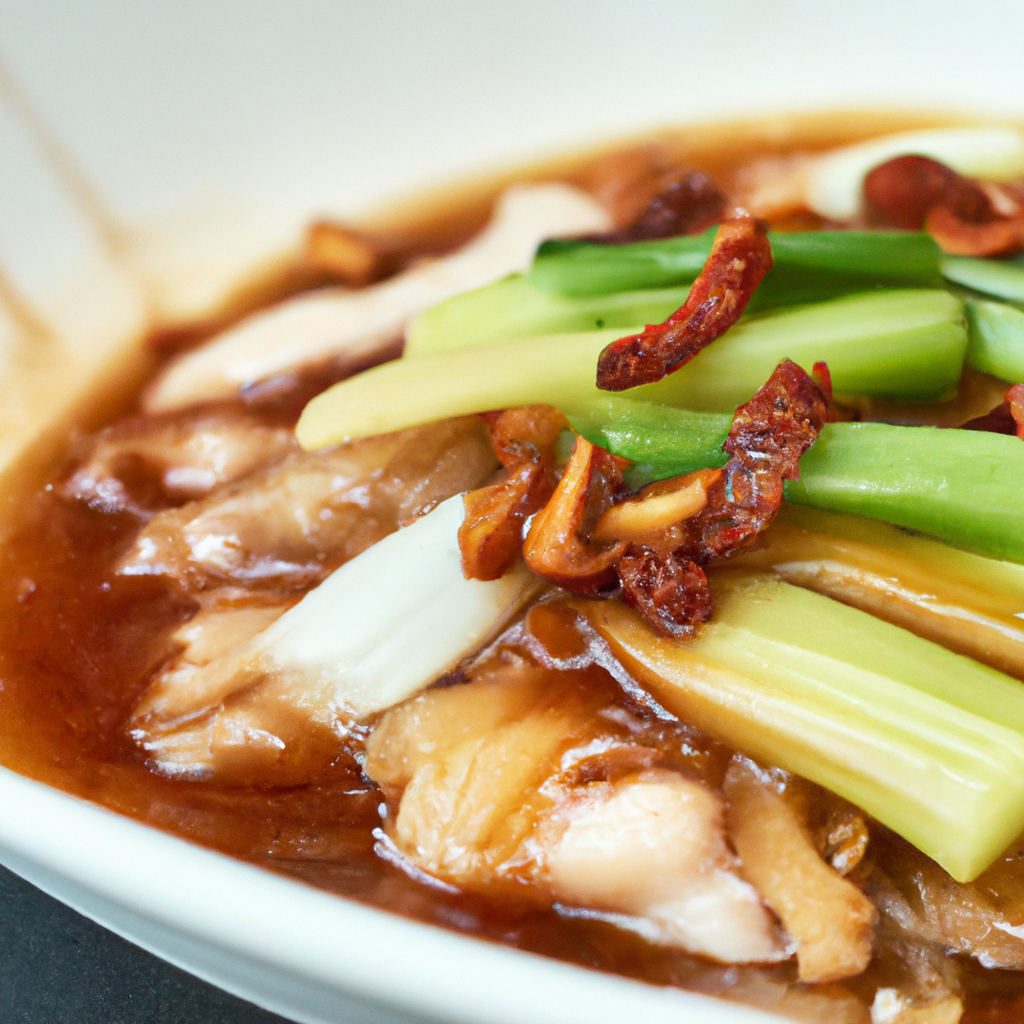
What does Yu Xiang mean?
Yu means fish, xiang means fragrance. The name comes from a seasoning mix that Sichuan cooks use for fish: pickled red chilies, ginger, garlic and scallions, rounded off with sugar and vinegar. When you use that seasoning on meat or vegetables, the dish carries Yu Xiang in its name. Besides Rou Si with pork, Yu Xiang Qiezi with eggplant is the best-known version.
The Yu Xiang sauce
The sauce tastes salty, sweet, sour and spicy. Use sugar and vinegar in similar amounts, and let the chili paste supply the salt and heat. If you want more sauce for your rice, mix up this extra bowl and pour it into the wok in the last step:
| Ingredient | Amount |
|---|---|
| Sugar | 1 tbsp |
| Black rice vinegar | 1 tbsp |
| Soy sauce | 1 tbsp |
| Cornstarch | 1 tsp |
| Water | 4 tbsp |
Stir the bowl again before pouring, because the starch settles at the bottom.
The right ingredients
- Meat: Pork tenderloin or pork loin. Cut it half-frozen into strips 5 mm wide and 6 cm long.
- Doubanjiang: The paste of fermented broad beans and chili originally comes from Pixian near Chengdu. At an Asian grocery store it is often on the shelf as "chili bean sauce". You can make it yourself with the recipe for doubanjiang. If you can get pickled red chilies (pao la jiao), use them to replace half of the paste.
- Black rice vinegar: Chinkiang vinegar tastes malty and mild. As a substitute, mix light rice vinegar with a splash of balsamic.
- Wood ear mushrooms: 8 g of dried mushrooms yield about 50 g after 20 minutes in warm water. Cut off the hard bases.
How to cook it in the wok
At the end of marinating, mix a teaspoon of oil into the meat so the strips do not stick together in the wok. Separate them in the hot oil with chopsticks and take them out after about a minute, as soon as they are pale on the outside. If you fry the chili paste in the oil for 30 seconds before adding the vegetables, the oil turns red and the paste loses its raw taste. After the meat goes back in, you need 2 minutes at most until the sauce turns glossy and clings to the meat.
Common mistakes
- Thick strips: Wider than 5 mm, they turn tough before they are cooked through.
- Overfull wok: With 400 g of meat, cook in two rounds, or the meat stews in its own juices.
- Salting too early: Doubanjiang and soy sauce bring enough salt. Taste only at the end.
What to serve with it
You eat Yu Xiang Rou Si with steamed rice, and the method is in how to cook jasmine rice. For a Sichuan meal with several dishes, add Mapo Tofu and Kung Pao Chicken. A plate of stir-fried bok choy with garlic puts something green on the table.