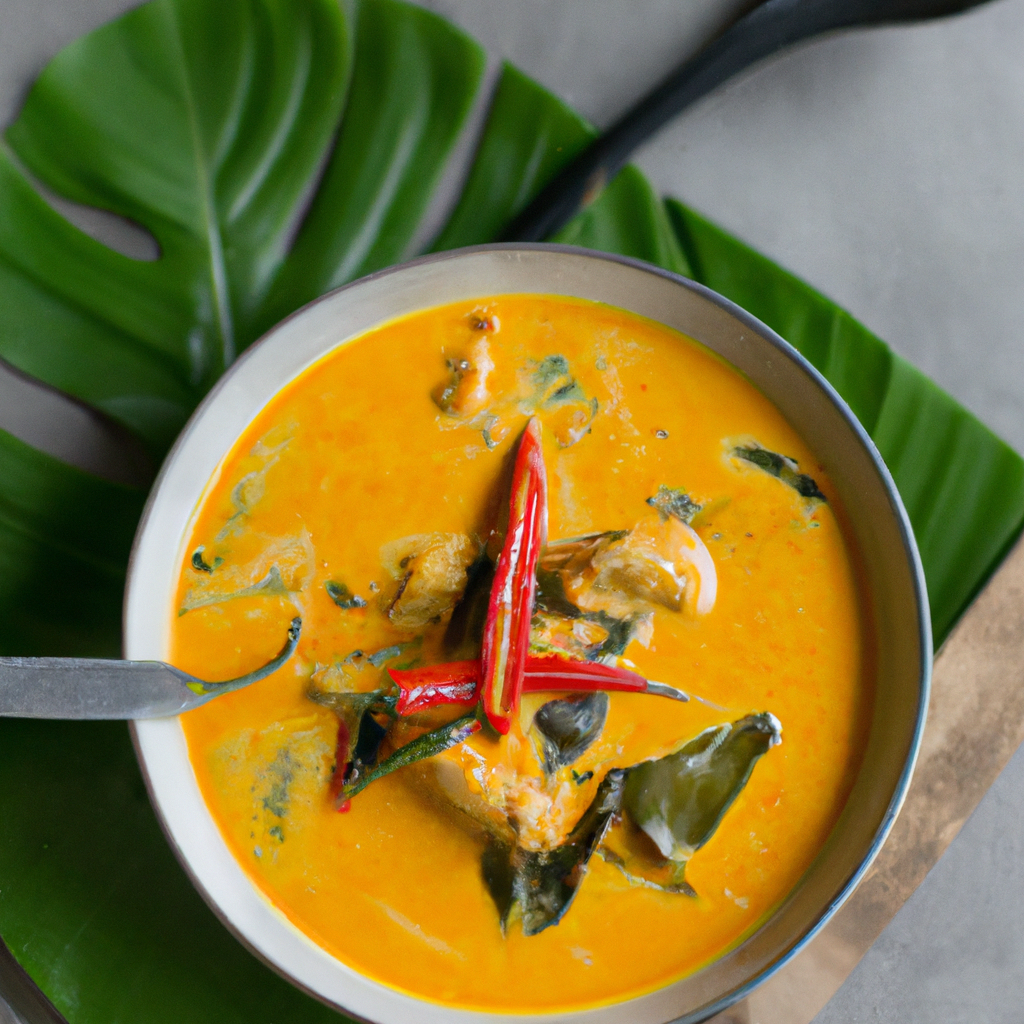
What is Gaeng Pa?
Gaeng means curry, pa means forest or jungle. The dish comes from the mountainous north and the forest regions of Thailand, where coconut palms hardly grow. Instead of coconut milk, broth, chili and fresh herbs carry the flavor. In Thailand, Thai eggplants, pea eggplants, long beans and krachai, a relative of ginger, go into the pot. Many cooks add green peppercorns on the stem.
Curry without coconut milk: how it gets its flavor
In curries with coconut milk, you fry the paste in the coconut fat. Here the vegetable oil does that job. Fry the paste over medium heat for 2 minutes, stirring, until it smells fragrant and the oil turns red. Only then add the meat and vegetables. Pour in broth instead of water. It supplies the base seasoning that would otherwise come from the coconut milk.
At the end, season with fish sauce and palm sugar. The fish sauce adds salt, and the sugar rounds off the heat. Taste after every half teaspoon. You can cook a red Thai curry without coconut milk by the same principle.
The right ingredients
- Curry paste: Red curry paste from an Asian grocery store works. Read the ingredient list, because many pastes contain shrimp paste.
- Eggplant: Round Thai eggplants stay firm. A large European eggplant falls apart faster, so cut it into bigger cubes.
- Chicken: Skinless chicken thighs stay juicier in broth than breast. If you use breast, add it only 8 minutes before the end.
- Herbs: You can buy makrut lime leaves frozen, and they keep for months in the freezer. Add Thai basil only at the end, since it loses its aroma when cooked.
If you are missing Thai basil or makrut lime leaves, you will find substitutes at substituting Asian ingredients.
Common mistakes
- Paste not fried: If you put the paste straight into the broth, the curry tastes raw and floury.
- Too much chili at once: The curry paste already brings heat. Add the fresh chilies a little at a time.
- Broth too salty: Ready-made broth and fish sauce both add salt. Use low-sodium broth and season at the end.
Variations
In Thailand, many cooks make Gaeng Pa with pork, fish or wild boar. For a vegetarian version, use firm tofu, mushrooms and vegetable broth, a curry paste without shrimp paste and soy sauce instead of fish sauce. Add extra vegetables such as baby corn, green beans or snow peas to the pot 5 minutes before the end.
More Thai curries without coconut milk: Gaeng Som is sour and hot with fish, and Gaeng Om Gai is a herbal chicken curry from Isaan. Gaeng Hung Lay from the north braises pork with ginger and tamarind. If you like it creamy, cook the red Thai curry with chicken with coconut milk.
What to serve with it
You eat Gaeng Pa with steamed jasmine rice, which soaks up the hot broth. For the right amount of water and cooking time, see cooking jasmine rice. For a full Thai meal, add a cucumber salad or fried eggs, which take the edge off the heat.