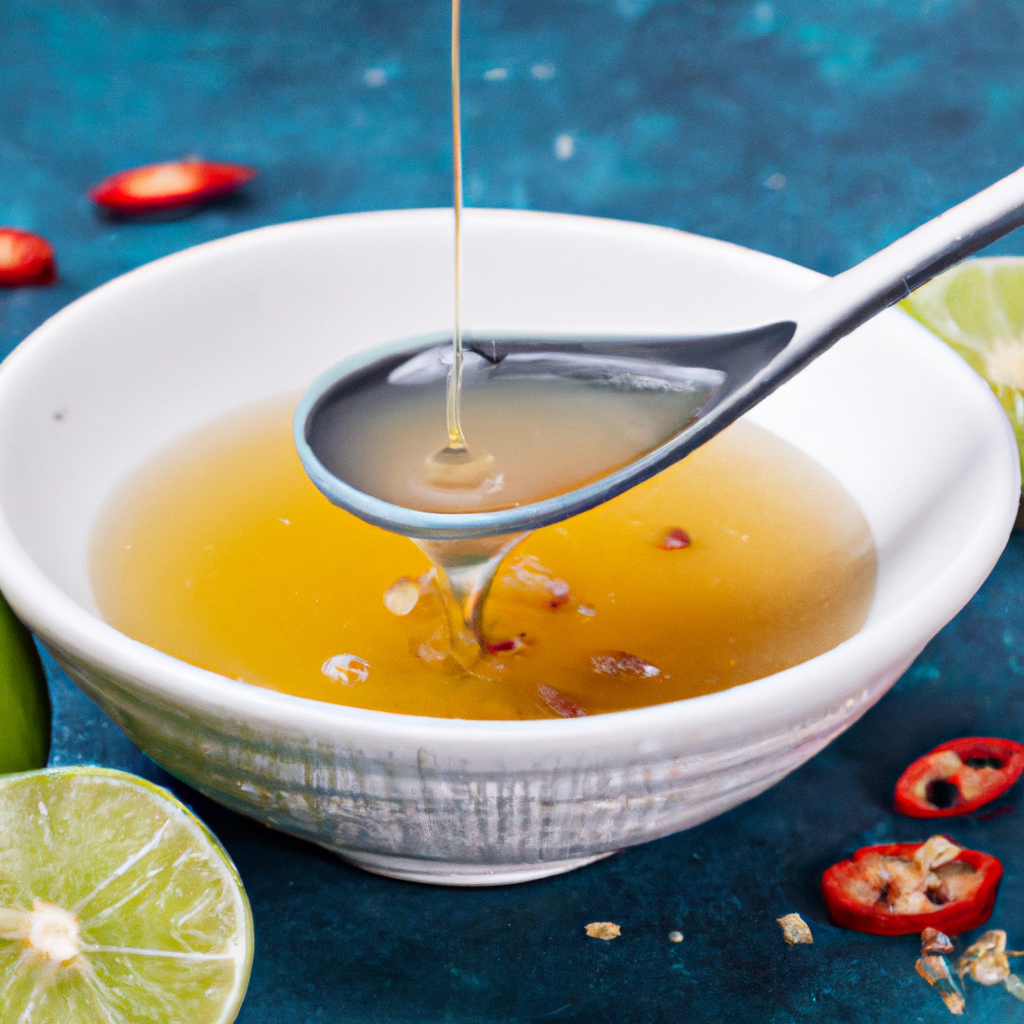
Making ponzu yourself
You can find the origin of the name, store-bought varieties and shopping tips in the kitchen knowledge article Ponzu. When you make it yourself, you control the acidity and salt and can use whichever citrus fruit you can get. The recipe card makes about 330 ml, enough for a hot pot dinner for four people or several weeks of dip for gyoza.
Citrus, soy sauce and mirin
The citrus juice
In Japan, cooks press yuzu, sudachi or kabosu for ponzu. Here you stand in for their aroma with three fruits: lemon brings the acidity, lime the sharp aroma, orange the sweetness. If you can get yuzu juice in a small bottle from an Asian grocery store, swap 60 ml of the mixture for it. Press the fruit fresh. Bottled juice tastes flat and slightly bitter.
The ratio
The card uses 120 ml of soy sauce to 180 ml of juice. That gives a fresh, sour ponzu for hot pot and salad. For a dip with gyoza or fried meat, mix soy sauce and juice in equal parts, and the sauce then tastes saltier. Many Japanese recipes also add 2 tbsp of rice vinegar, which rounds off the acidity.
Boiling the mirin
Mirin contains alcohol. Boil it for a minute in a small pot until the sharp smell is gone, and let it cool before it goes in with the juices. Hot mirin strips the aroma from the fresh juice.
Kombu and bonito for more umami
Wipe the kombu with a damp cloth, do not wash it. The white coating on the surface carries part of the flavor. Put the piece in the cold sauce and let it steep for at least 4 hours, ideally 24 hours. Then take it out. For the classic Japanese version, add 5 g of bonito flakes and strain the sauce through a fine sieve the next day. It then tastes smokier and is no longer vegan.
Using ponzu
- Hot pot: With shabu-shabu, set out a bowl of ponzu for each person with grated daikon and scallions.
- Dip: For gyoza, mix the ponzu with a few drops of chili oil.
- Tofu and fish: A spoonful over hiyayakko or over sashimi replaces the soy sauce.
- Dressing: 3 tbsp of ponzu and 1 tbsp of toasted sesame oil make a salad dressing for cucumber, cabbage or cold noodles.
- For deglazing: Pour a splash of ponzu into the pan after you have cooked salmon, chicken or steak.
Common mistakes
- Cooked kombu: Heated, it turns slimy and releases bitter compounds. Kombu steeps in ponzu cold.
- Stored too long: After a week, fresh citrus juice loses its aroma. Make smaller batches.
- Dark Chinese soy sauce: It turns the sauce black and tastes of molasses. Use Japanese soy sauce.
You can find a version with a single citrus fruit in the recipe for sudachi ponzu.