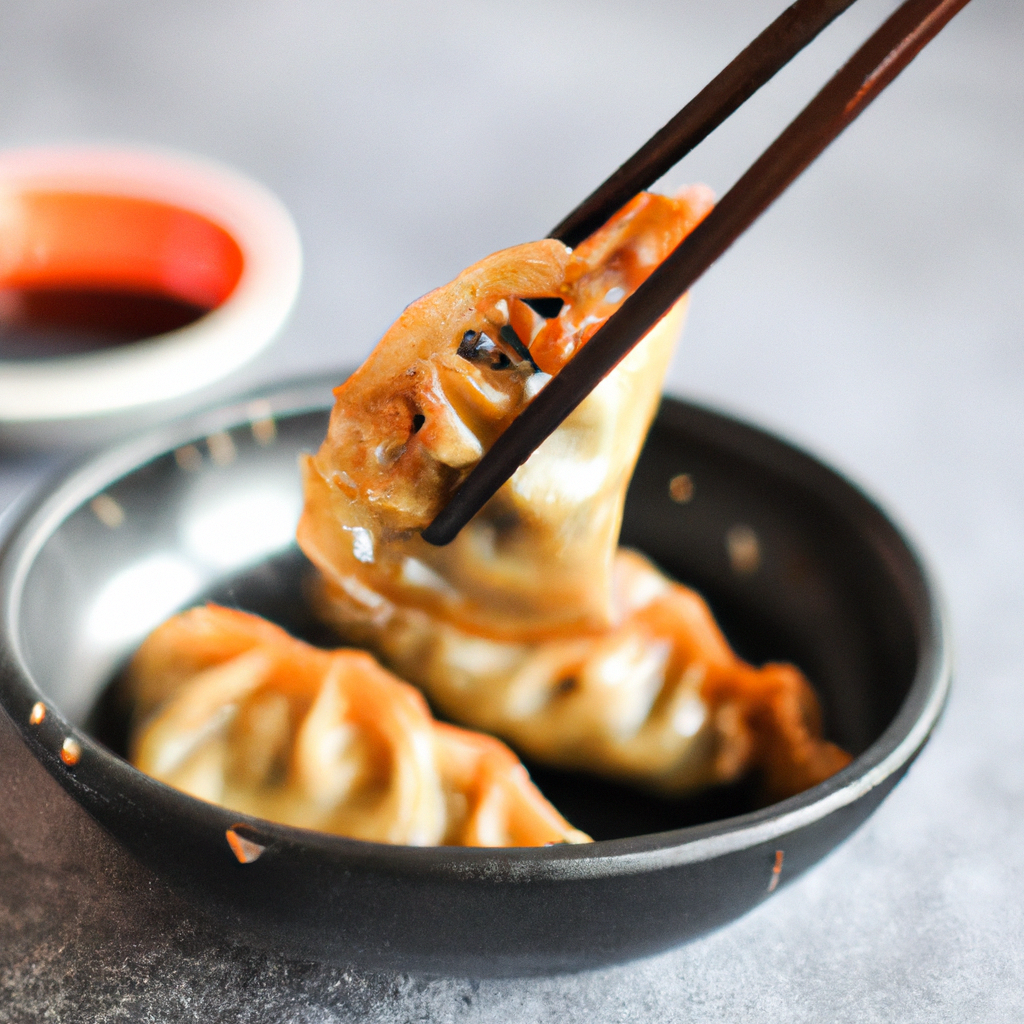
What are mandu?
Mandu (만두) is the Korean umbrella term for filled dumplings. They came to Korea via China and are related to Chinese jiaozi. Koreans tell mandu apart by cooking method:
- Gunmandu: pan-fried, with a crisp wrapper. This is the recipe here.
- Jjinmandu: steamed in a bamboo basket, soft and juicy.
- Mulmandu: boiled in water, with a smooth, glossy wrapper.
- Manduguk: cooked in broth and served as a soup. You find the recipe under manduguk.
The filling is the same for all four. So you can fold one batch, fry half, and steam or freeze the other half.
Mandu filling: the right ingredients
- Ground meat: Ground pork with some fat stays juicy. Half pork, half beef tastes more robust.
- Tofu and glass noodles: In Korea, crumbled firm tofu and chopped, cooked glass noodles often go in. Squeeze the tofu dry in a cloth, or the filling turns wet.
- Kimchi: For kimchi mandu, swap the napa cabbage for 100 g of squeezed, chopped kimchi.
- Wrappers: Round dumpling or gyoza wrappers, 9 cm in diameter, are sold frozen at an Asian grocery store. You can make the dough yourself with the recipe for dumpling dough.
How to make great gunmandu
Draw the water out of the cabbage
Mix the chopped napa cabbage with half a teaspoon of salt, wait 10 minutes, and squeeze it dry in a kitchen towel. Without this step, water seeps into the filling and the dumplings go soggy when frying.
Fold and seal
One tablespoon of filling per wrapper is enough. Brush water along half the edge, fold the wrapper into a half-moon, and press out the air before you seal the edges. Trapped air expands in hot oil and splits the dough. For the round Korean shape, pull the two corners of the half-moon together and press them onto each other.
Frying
Heat the oil about 1 cm deep over medium heat. Fry no more than eight mandu at a time so the oil stays hot. After about 3 minutes per side, the wrapper is golden and the filling is cooked. For less oil, use the gyoza method: brown the bottoms, add 50 ml of water, and steam under a lid for 5 minutes until the water has evaporated.
Common mistakes
- Oil too cold: The dough soaks up oil and turns tough. Hold a wooden chopstick in the oil. When small bubbles rise, you can start.
- Wrappers dried out: Cover the stack with a damp towel while you fold, or the edges will not stick.
- Frozen mandu thawed: Thawed, they stick together and tear. Fry them from frozen and add a minute per side.
What to serve with it
For the dip, stir together 2 tbsp soy sauce, 1 tbsp rice vinegar, and a pinch of gochugaru. At Korean snack bars, guests often order gunmandu with tteokbokki and dip them in the spicy sauce. Freeze unfried mandu side by side on a tray, then transfer them to bags. For the Japanese relative, see the recipe for gyoza.