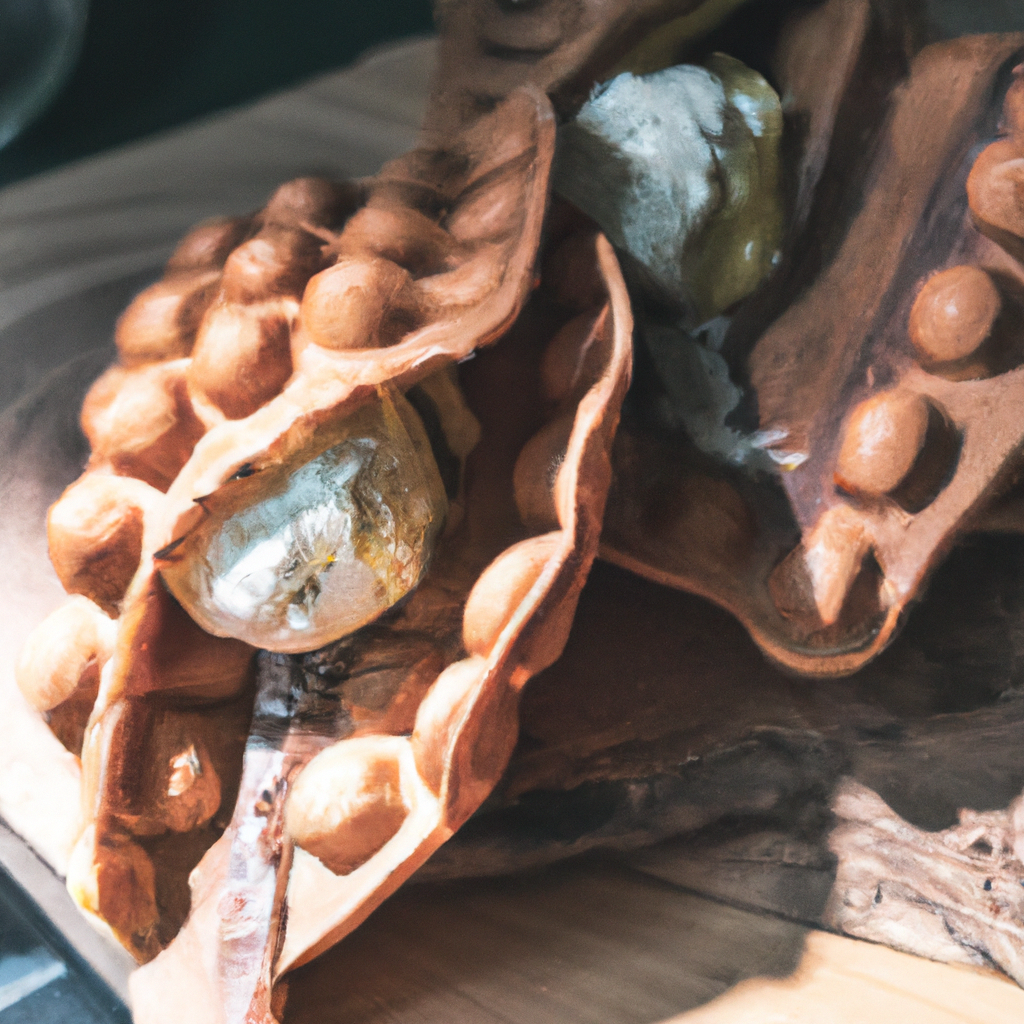
What is taiyaki?
Tai (鯛) is the sea bream, and yaki means baked or grilled. In Japan the bream counts as a lucky fish, and its name sounds like "medetai", the word for joyful and festive. The shop Naniwaya in Tokyo is credited as the inventor and has sold taiyaki since 1909. Today you find them at street stalls, at festivals and as frozen goods. In Korea the same pastry is called bungeoppang and is shaped like a crucian carp.
The taiyaki mold
For taiyaki you need a hinged mold with fish-shaped hollows. You have two options:
- Stovetop pan: made of cast iron or cast aluminum, with one or two fish. You flip it halfway through the baking time. Cast iron also works on induction, cast aluminum does not.
- Electric taiyaki iron: It bakes both sides at once and holds the temperature. It is more convenient for larger quantities.
Season a new cast iron mold with oil before the first bake, like a cast iron pan. Without a fish mold, bake the batter into small pancakes and sandwich two of them together with anko in between. That gives you dorayaki.
The filling
You can buy anko in cans or pouches at an Asian grocery store. Tsubuan contains whole bean pieces and koshian is smooth and strained. Both work for taiyaki. If you make it yourself, cook dried azuki beans until soft and boil them down with about the same amount of sugar to a thick paste. The paste must be firm so it does not run out during baking. For 6 taiyaki, count a good 30 g of anko per piece.
How to get taiyaki right
- Rest the batter: Put the batter in the fridge for 30 minutes. The flour swells, and the batter flows evenly into the head and tail fin.
- Preheat the mold: Heat the mold for 3 to 4 minutes on medium heat on both sides and grease it with a brush. A drop of batter should sizzle right away.
- Layering: Fill the hollow halfway, set the anko in the middle of the fish body and add enough batter on top to cover the filling. Too much batter squeezes out when you close the mold.
- Trim the edge: After baking, cut off the batter that ran over the edge with scissors.
Common mistakes
- Mold too hot: The shell turns dark before the batter inside is cooked. Bake on medium heat and add a minute.
- Anko at the edge: The filling leaks out and burns. Put it in the middle.
- Stacked taiyaki: The steam softens the shell. Lay them side by side on a rack.
Variations
In Japan you find taiyaki with custard, chocolate or sweet potato paste, and savory ones with cheese and sausage. For a matcha version, sift 1 tbsp matcha powder into the flour. Reheat leftovers for 5 minutes in the oven at 180 °C (350 °F) or in a dry pan, and the shell turns crisp again. In the microwave it turns soft.
What goes with it
Green tea goes well with taiyaki, for example a traditional matcha. Other Japanese sweets with anko are daifuku and the warm bean soup zenzai.