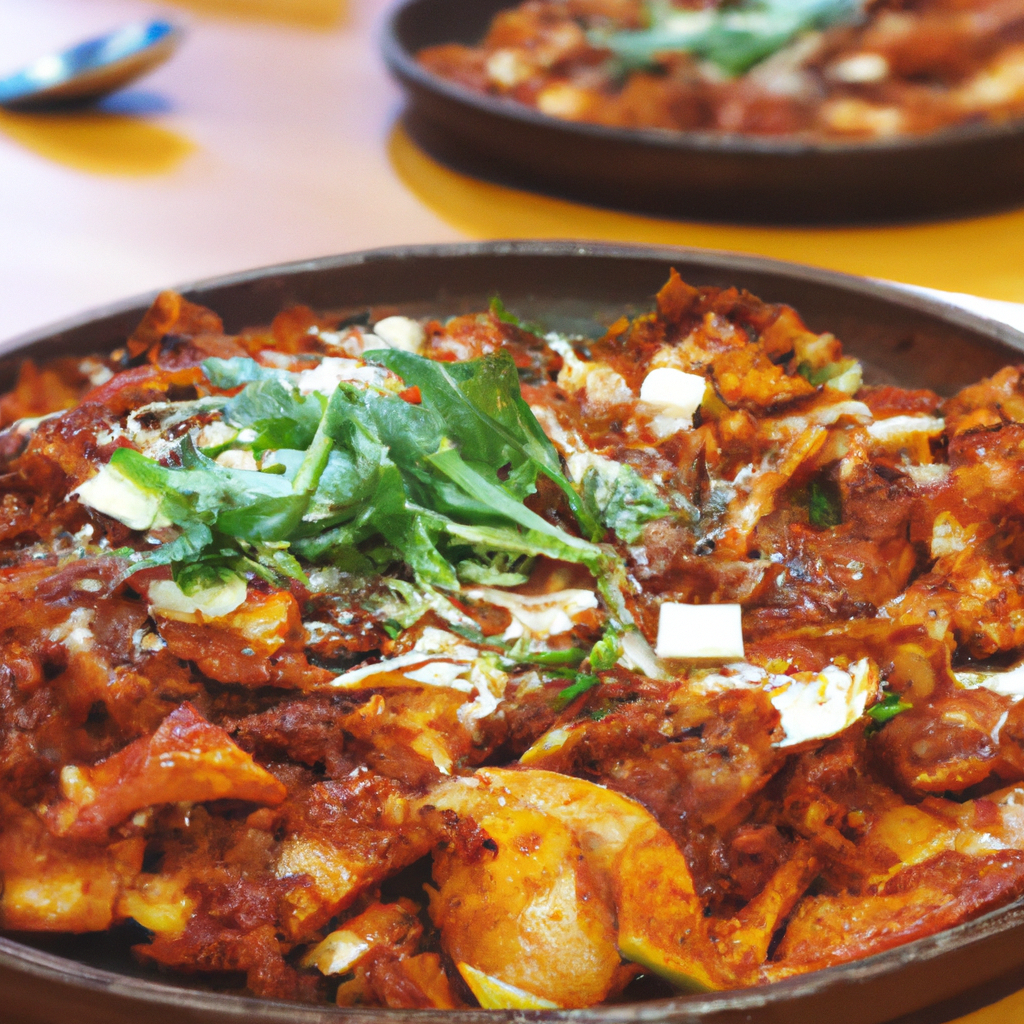
What is dakgalbi?
The name joins dak, the Korean word for chicken, with galbi, the word for ribs. You don't need bones, though: the dish is made with boneless chicken, marinated much like beef galbi. Its home is the city of Chuncheon in Gangwon province. There, restaurants cook everything at the table in a wide cast-iron pan, and the whole group eats from it. In Chuncheon you can also get dakgalbi grilled over charcoal. This recipe follows the pan version, which you can cook on your stove at home.
The right ingredients
- Chicken: The recipe card calls for breast. With boneless thighs the meat stays juicier, because thighs have more fat and hold up better to the cooking time among the vegetables. Korean restaurants mostly use thigh meat.
- Gochujang: The fermented chili paste brings heat, sweetness and the red color. The heat varies from brand to brand, so taste your paste before seasoning. How it is made and the different types are explained in the article on gochujang. With 1 to 2 tbsp of gochugaru, the Korean chili flakes, the marinade gets hotter.
- Tteok: You can find the rice cake sticks in the refrigerated or frozen section of an Asian grocery store. If they are hard, soak them in warm water for 10 minutes. As a dish of their own, you cook them in the recipe for tteokbokki.
- Cabbage and perilla: Cabbage is the main vegetable, which is why the card lists 300 g. In Chuncheon, perilla leaves (kkaennip) often go in too, tasting of mint and anise. You can get them at a Korean grocery store.
How to get dakgalbi right
Marinating and cutting
Cut the chicken into pieces of about 3 cm. 20 minutes of marinating is enough, and covered in the refrigerator the meat can sit for up to 12 hours. Cut the sweet potato and carrots no thicker than 5 mm, or they will still be hard in the middle when the meat is done.
Pan and heat
Use your largest pan or a wok of at least 32 cm. In a small pan, the meat and vegetables pile up and steam in their own juices. The marinade contains sugar and burns over high heat. Stay at medium and turn everything every minute or two with a wide spatula.
Rice at the end
In Chuncheon, fried rice is part of the meal. Leave a quarter of the vegetables and sauce in the pan, add 150 g of cooked rice per person, chopped kimchi, crumbled nori and a splash of sesame oil, and press everything flat. After 3 to 4 minutes the rice has a crust on the bottom. You know the technique from kimchi bokkeumbap.
Common mistakes
- Too much heat: Gochujang and sugar burn and taste bitter. If needed, add 50 ml water and loosen the browned bits with the spatula.
- Dry breast meat: After 20 minutes in the pan, breast meat turns stringy. Add it to the sweet potato only after that has fried for 5 minutes, or use thighs.
- Cabbage in big leaves: Cut it into pieces of 3 to 4 cm. Large leaves slide out of the pan when you turn things.
Variations
For cheese dakgalbi, scatter 150 g grated mozzarella over the pan during the last 3 minutes and put the lid on. Mix in cooked udon or ramyeon noodles at the end; 200 g is enough for four people. If you want it even hotter, try cheese buldak, also made with chicken and melted cheese.
What to serve with it
Put out lettuce leaves and perilla leaves for wrapping. Roll up a piece of chicken with sweet potato and a dab of ssamjang in them. Kkakdugi works as a side dish, since the crunchy radish kimchi cools the heat.